


Company News
Mar 25,2026
By:Circor
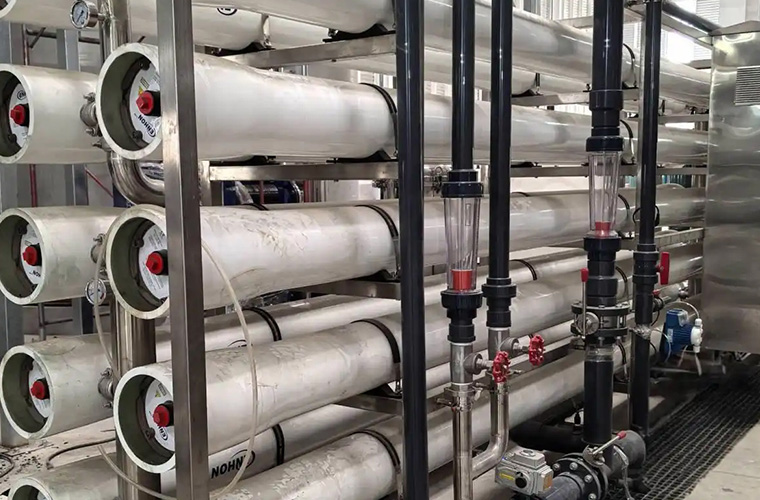
Reverse osmosis technology is an efficient water treatment process that utilizes semi-permeable membranes to remove dissolved salts, organic compounds, and microorganisms from water. Its core mechanism involves applying high pressure to allow water molecules to pass through the membrane while retaining most contaminants. However, the presence and proliferation of microorganisms during this process can lead to a series of issues, such as membrane fouling, system performance degradation, and risks to effluent water quality. Microbial control has thus become a critical yet often overlooked aspect in reverse osmosis water treatment. This article provides a systematic introduction to the sources, impacts, and control strategies of microbial issues in reverse osmosis systems, offering readers an accessible breakdown of this specialized field.
1. Sources and Impacts of Microbial Contamination
Microorganisms in reverse osmosis systems primarily originate from the influent. Natural water bodies, groundwater, or municipal water supplies may contain bacteria, fungi, algae, and other microorganisms. Once these microbes enter the system, they attach to the membrane surface and form biofilms. Biofilms are slimy substances composed of microorganisms and their extracellular polymeric substances, which can not only clog membrane pores and reduce water flux but also increase system operating pressure, leading to higher energy consumption. Biofilms may serve as a refuge for pathogenic microorganisms, potentially compromising the safety of the effluent. Long-term neglect of microbial control can also shorten the lifespan of membrane elements and raise maintenance costs.
2. Physical Methods for Microbial Control
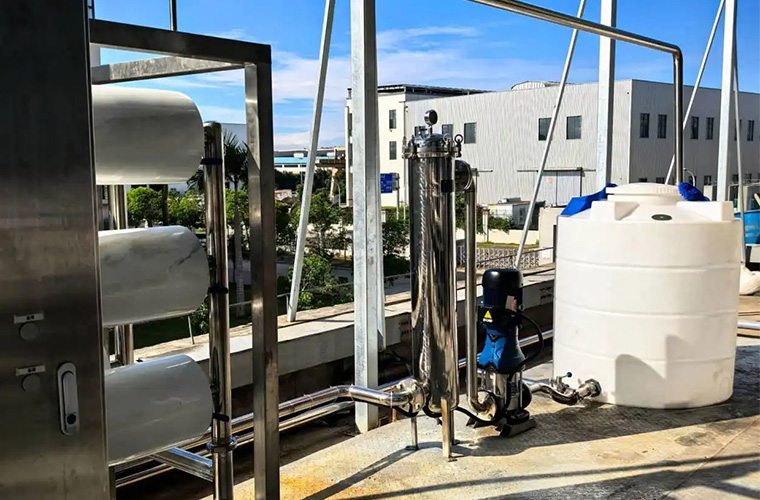
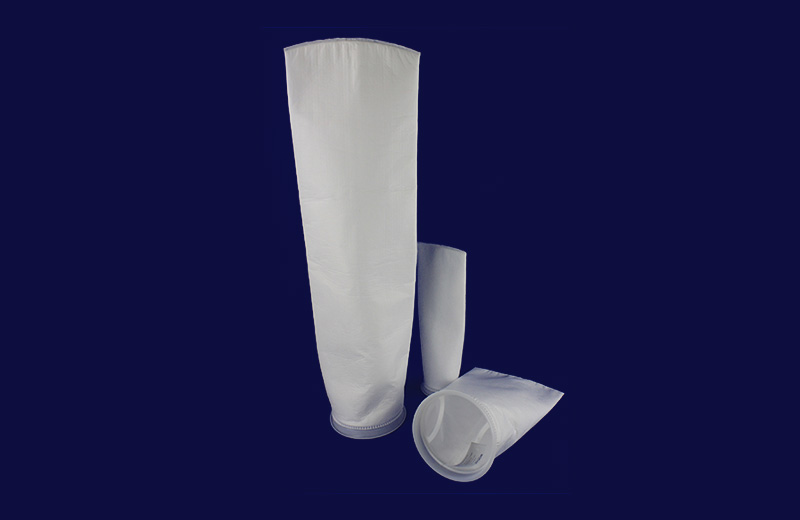
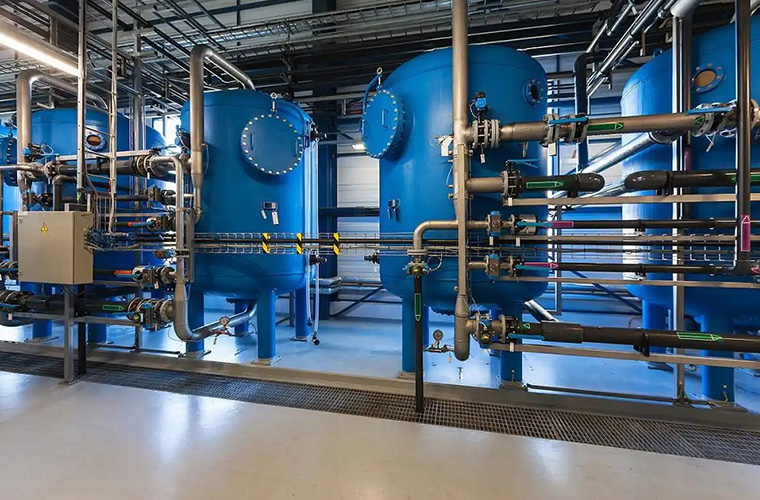
Physical methods are one of the fundamental means to control microorganisms, primarily reducing microbial load through mechanical approaches. Common measures include pre-treatment filtration, periodic rinsing, and flow rate management. Multi-media filters and precision filters can effectively remove suspended solids and certain microorganisms from the influent, alleviating the burden on subsequent treatment processes. Reverse osmosis systems are typically equipped with automatic rinsing functions, which use short-term high-velocity water flow to flush the membrane surface, delaying biofilm formation. Maintaining turbulent flow conditions within the system can minimize opportunities for microbial attachment. While these methods cannot achieve sterilization, they significantly inhibit microbial proliferation and provide support for other control measures.
3. Chemical Methods for Microbial Control
Chemical methods are the core of microbial control, involving the addition of biocides and inhibitors. Oxidative biocides such as sodium hypochlorite can rapidly eliminate microorganisms, but care must be taken as reverse osmosis membranes have limited tolerance to chlorine, and excessive use may damage the membrane material. In practice, non-oxidative biocides like quaternary ammonium compounds are often employed, as they can disrupt microbial cell structures and are more membrane-friendly. Biological inhibitors can interfere with microbial metabolic processes to prevent biofilm formation. Chemical agents must be precisely dosed based on influent water quality and system operating conditions to avoid resistance development or secondary pollution. Regular chemical cleaning is also a crucial means to restore membrane performance, as it can remove already formed biofilms.
4. System Design and Operation Optimization
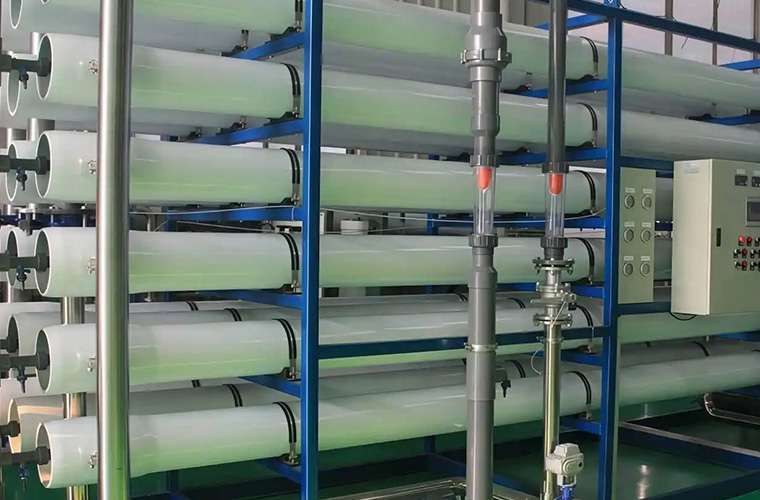
Proper system design is the foundation for preventing microbial issues. This involves selecting appropriate membrane element types, optimizing pipeline layouts to eliminate dead zones, and implementing automated monitoring systems. Dead zones are prone to water accumulation, creating breeding grounds for microorganisms, so pipeline bends and blind ends should be minimized. Automated systems can monitor pressure, flow, and water quality parameters in real time, triggering cleaning or alarm procedures promptly upon detecting anomalies (such as pressure differential increases). During operation, maintaining stable conditions (e.g., temperature and pH) also helps inhibit microbial growth. Regular maintenance plans should include membrane element inspections, cleaning cycle evaluations, and chemical efficacy testing.
5. Monitoring and Maintenance Strategy
Continuous monitoring is the key to successful microbial control. Microbial indicators such as total bacterial count and biofilm thickness can be tracked through offline sampling or online sensors. ATP bioluminescence detection can quickly reflect microbial activity and help evaluate control effectiveness. The maintenance strategy needs to be combined with data-driven: adjust the cleaning frequency or dosage of chemicals based on monitoring results. Recording historical operational data helps identify trending issues, such as the impact of seasonal water quality changes on microbial communities. Employee training is also indispensable, and operators should master basic microbiological knowledge and emergency response skills.
In summary, microbial control in reverse osmosis water treatment is a multidimensional project that requires comprehensive physical, chemical, and management measures. From pre-processing at the source to maintenance at the end, every step is related to the long-term stable operation of the system. With the development of technology, new antibacterial materials and intelligent monitoring solutions are injecting innovative momentum into this field. Through scientific methods and continuous optimization, reverse osmosis systems can efficiently respond to microbial challenges, ensuring water quality safety and process sustainability.
Contact us
Get in Touch With Our Experts!Back to Top
